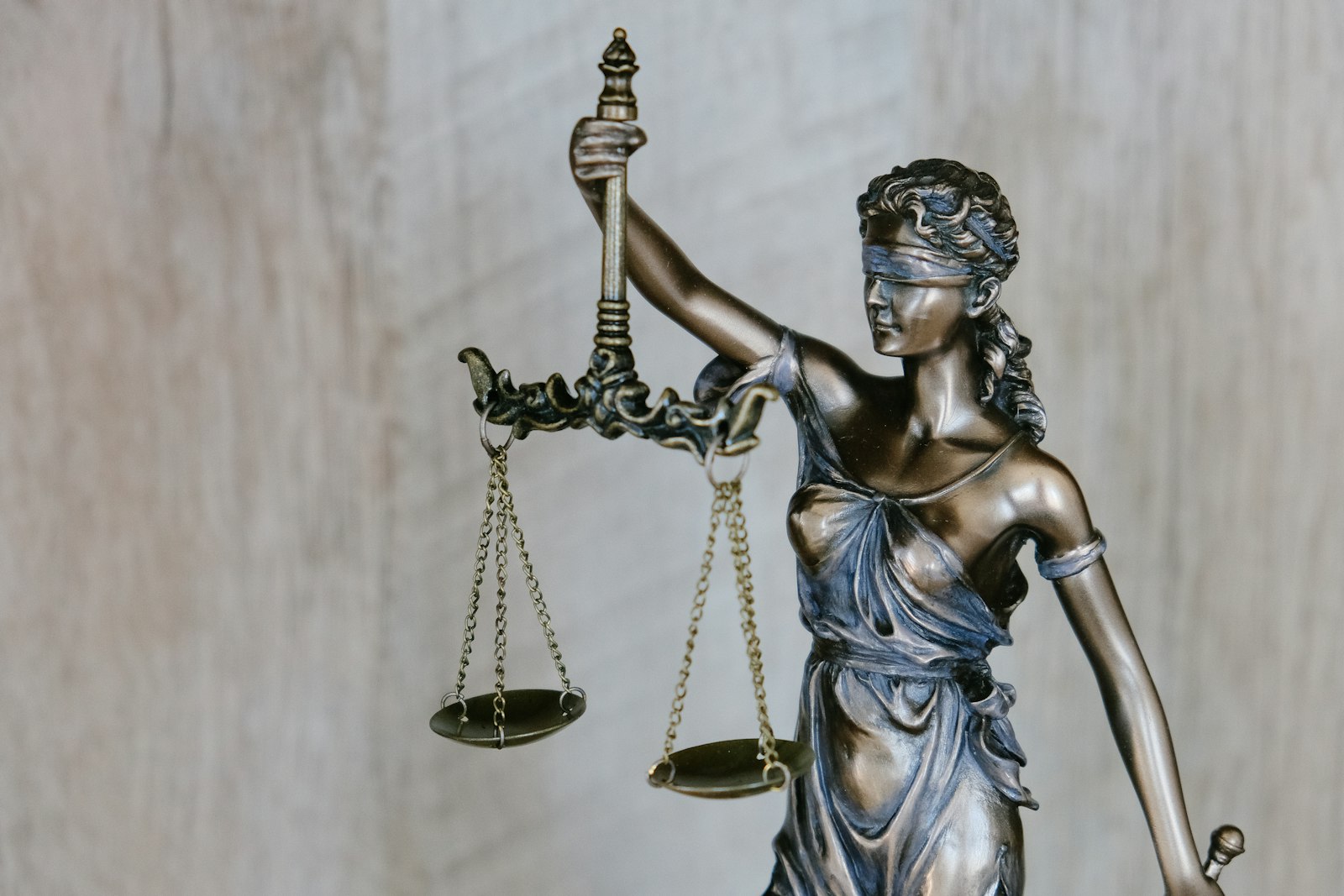
Judicial Bias: Recognizing and Addressing Systemic Fairness Issues
An in-depth analysis of how judicial bias affects case outcomes and what can be done to address systemic fairness problems.
Judicial Bias: Recognizing and Addressing Systemic Fairness Issues
Understanding Judicial Bias
Judicial bias occurs when judges allow personal prejudices to influence their legal decisions. While judges take oaths to be impartial, research shows that bias affects outcomes in many cases.Types of Judicial Bias
Racial Bias
Studies consistently show disparities in sentencing and case outcomes based on race:- African American defendants receive sentences 19% longer than white defendants for similar crimes
- Racial minorities are more likely to be convicted in jury trials
- Implicit bias training has shown modest but measurable improvements
Gender Bias
Gender bias affects both criminal and civil cases:- Women receive harsher sentences in some jurisdictions
- Custody decisions may reflect gender stereotypes
- Sexual assault cases show significant bias in outcomes
Socioeconomic Bias
Judges may treat wealthy and poor litigants differently:- Wealthier defendants can afford better legal representation
- Bail decisions often disadvantage poor defendants
- Access to expert witnesses varies dramatically by wealth
Cognitive Biases
All humans have cognitive biases that affect decision-making:- Confirmation bias: Judges may seek information confirming their initial impressions
- Anchoring bias: Initial arguments may disproportionately influence decisions
- Availability bias: Recent cases may influence decisions in current cases
Measuring Judicial Bias
Researchers use several methods to identify bias:Statistical Analysis
Comparing outcomes for similar cases reveals disparities that may indicate bias.Case Review Studies
Experts review actual cases to identify instances where bias likely influenced outcomes.Implicit Bias Testing
Psychological tests can measure unconscious biases in judges.Public Feedback
Reviews and complaints from litigants can reveal patterns of bias.Addressing Judicial Bias
Effective strategies for reducing bias include:Implicit Bias Training
Regular training helps judges recognize and overcome unconscious biases.Structured Decision-Making
Using standardized criteria and checklists reduces opportunities for bias to influence decisions.Diverse Judiciaries
Increasing diversity among judges reduces the impact of individual biases.Transparency and Accountability
Publishing judicial statistics and disciplinary records creates accountability.Technology Solutions
AI systems can identify bias patterns and alert judges to potential biases in their decision-making.The Role of Investigative Journalism
Investigative journalism plays a crucial role in exposing judicial bias:- Analyzing judicial statistics to identify disparities
- Investigating specific cases where bias appears evident
- Interviewing litigants about their experiences
- Holding judges and court systems accountable
Conclusion
Judicial bias is a serious problem that undermines the legitimacy of the entire legal system. By recognizing bias, measuring its effects, and implementing evidence-based solutions, we can work toward a more fair and equitable judiciary.References & Citations
This article references the following authoritative sources on judicial conduct and ethics:
- ABA Model Code of Judicial Conduct - American Bar Association
- Code of Conduct for United States Judges - U.S. Courts
- Judicial Conduct and Disability Act (28 U.S.C. §§ 351–364) - Cornell Law
- Judicial Conduct & Disability Overview - U.S. Courts
- Federal Judicial Center Resources - FJC
- Supreme Court Code of Conduct (2023) - Supreme Court
--- A fair judiciary is essential to a just society. Addressing bias strengthens the rule of law.
Related Data & Visualizations
The following charts provide additional context and data related to this article's topic.
Trust Score Distribution
Distribution of trust scores across all tracked judges
Created by John Adams Inquirer • Based on Federal Judicial Center data
Judicial Complaint Trends (2025)
Monthly trends in misconduct complaints and ethics violations
Created by John Adams Inquirer • Based on judicial conduct commission reports
About Our Graphics
Graphics, charts, and diagrams marked with "JAI Original" or "Created by John Adams Inquirer" are original works produced by our team to help illustrate complex judicial accountability issues. These visuals are designed to make information more accessible and are based on our research and analysis.
Topics
John Adams Inquirer Investigation
This article is part of our ongoing investigation into judicial accountability. All graphics and illustrations marked as "Created by John Adams Inquirer" are original works.