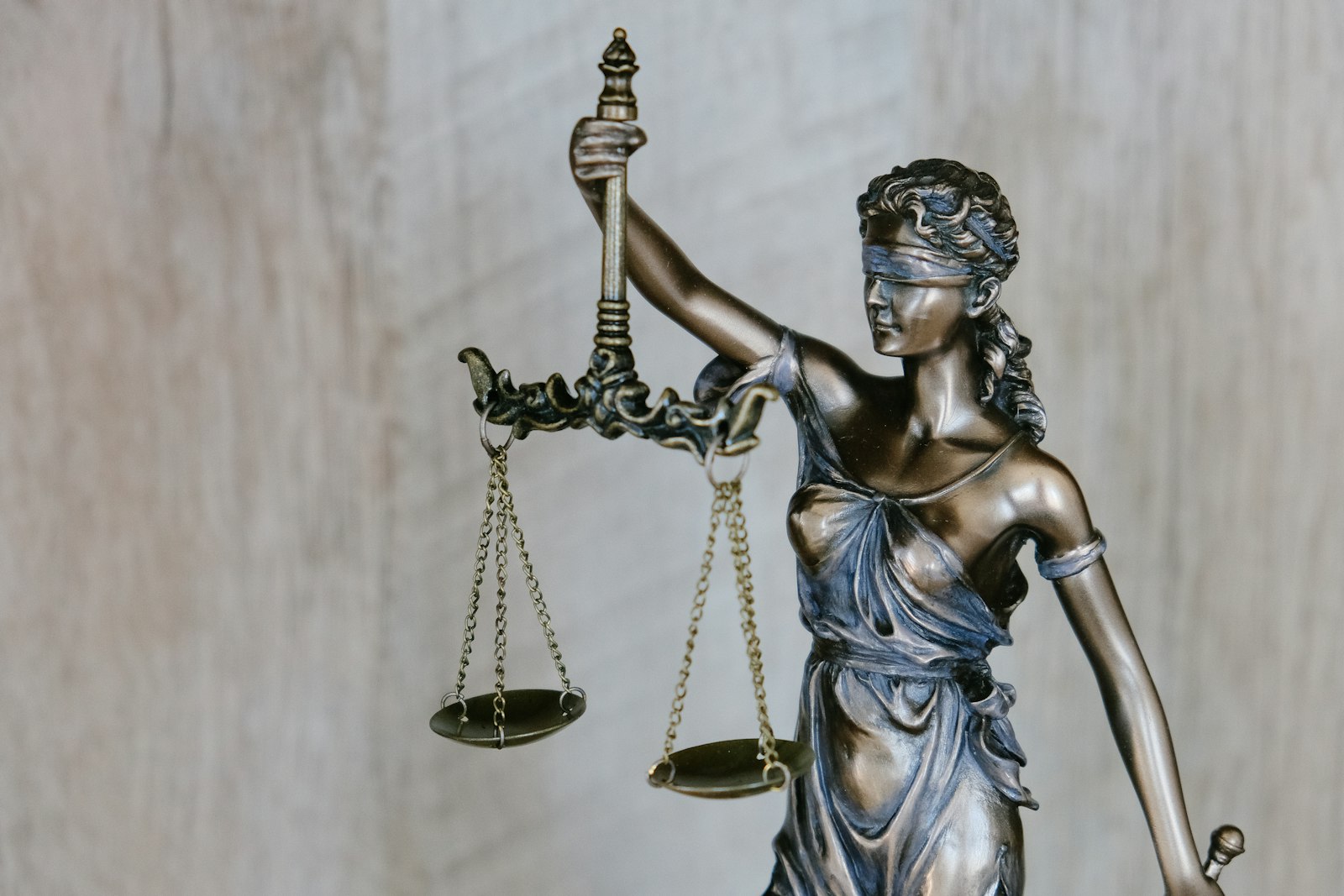
Judicial Corruption: How Transparency Prevents Misconduct
Examining how judicial corruption occurs and what transparency measures can effectively prevent it.
Judicial Corruption: How Transparency Prevents Misconduct
What Constitutes Judicial Corruption?
Judicial corruption includes:- Bribery and financial inducements
- Conflicts of interest
- Abuse of judicial power
- Nepotism and favoritism
- Improper ex parte communications
The Impact of Judicial Corruption
Corruption in the judiciary has devastating consequences:- Undermines public trust in the legal system
- Denies justice to innocent parties
- Enables guilty parties to escape accountability
- Weakens the rule of law
- Damages economic development and investment
How Corruption Occurs
Common pathways to judicial corruption:Financial Pressure
Judges facing financial difficulties may be vulnerable to bribes or other inducements.Political Pressure
Judges may face pressure from political figures to decide cases in particular ways.Personal Relationships
Judges may show favoritism to friends, family members, or political allies.Ideological Bias
Judges may allow strong ideological beliefs to override legal principles.Transparency as a Prevention Tool
Transparency is one of the most effective tools for preventing corruption:Public Proceedings
When court proceedings are open to the public, judges are less likely to engage in corrupt behavior.Published Decisions
Requiring judges to publish written decisions explaining their reasoning creates accountability.Financial Disclosure
Requiring judges to disclose their financial interests helps identify conflicts of interest.Complaint Mechanisms
Public complaint processes allow citizens to report suspected corruption.Disciplinary Records
Publishing disciplinary actions against judges deters misconduct.Technology Solutions for Preventing Corruption
Modern technology can enhance transparency:Blockchain for Record-Keeping
Immutable blockchain records of judicial decisions prevent tampering.AI Monitoring
AI systems can identify unusual patterns that might indicate corruption.Secure Communication
Encrypted communication systems ensure that ex parte communications are properly documented.Digital Evidence
Digital records create clear audit trails for all judicial actions.International Examples
Several countries have successfully reduced corruption through transparency:Singapore
Singapore's strict transparency requirements and harsh penalties have nearly eliminated judicial corruption.Estonia
Digital court systems with complete transparency have prevented corruption while improving efficiency.Rwanda
Post-conflict Rwanda implemented transparency measures that helped rebuild trust in the judiciary.Conclusion
Judicial corruption is a serious threat to justice and the rule of law. By implementing transparency measures and using modern technology, we can prevent corruption and maintain public confidence in the judiciary.References & Citations
This article references the following authoritative sources on judicial conduct and ethics:
- ABA Model Code of Judicial Conduct - American Bar Association
- Code of Conduct for United States Judges - U.S. Courts
- Judicial Conduct and Disability Act (28 U.S.C. §§ 351–364) - Cornell Law
- Judicial Conduct & Disability Overview - U.S. Courts
- Federal Judicial Center Resources - FJC
- Supreme Court Code of Conduct (2023) - Supreme Court
--- Transparency and accountability are the best defenses against judicial corruption.
Related Data & Visualizations
The following charts provide additional context and data related to this article's topic.
Judicial Complaint Trends (2025)
Monthly trends in misconduct complaints and ethics violations
Created by John Adams Inquirer • Based on judicial conduct commission reports
About Our Graphics
Graphics, charts, and diagrams marked with "JAI Original" or "Created by John Adams Inquirer" are original works produced by our team to help illustrate complex judicial accountability issues. These visuals are designed to make information more accessible and are based on our research and analysis.
Topics
John Adams Inquirer Investigation
This article is part of our ongoing investigation into judicial accountability. All graphics and illustrations marked as "Created by John Adams Inquirer" are original works.